
What Is Regenerative Medicine in Orthopedics?
Regenerative medicine is an advanced area of orthopedic care that focuses on supporting the body’s natural healing response to repair damaged tissues, reduce pain, and improve movement. Instead of only managing symptoms, regenerative medicine aims to encourage recovery at the source of the problem. In orthopedics, this approach is often used for muscles, tendons, ligaments, joints, and other musculoskeletal structures affected by injury, overuse, inflammation, or age-related degeneration.
Many people experience long-term orthopedic pain due to conditions such as tendon injuries, ligament strain, early joint wear, muscle damage, or chronic inflammation. Traditional treatment may include rest, medications, physical therapy, braces, or surgery depending on the condition. Regenerative medicine is considered a valuable option in selected cases because it can complement conservative care and may help improve healing in a minimally invasive way.
Two commonly discussed tools in modern regenerative orthopedic care are PRP and musculoskeletal ultrasound. These are often used together to provide a more precise and personalized treatment approach. PRP focuses on biologic healing support, while musculoskeletal ultrasound helps doctors evaluate soft tissues and guide procedures with greater accuracy.
What Is PRP?
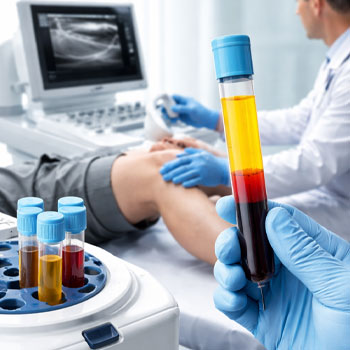
PRP stands for Platelet-Rich Plasma. It is a treatment prepared using a small sample of the patient’s own blood. The blood is processed to concentrate platelets, which contain growth factors and signaling proteins that play an important role in tissue repair. The prepared PRP is then injected into the injured or painful area, where it may support the body’s healing response.
In orthopedic practice, PRP is commonly considered for tendon problems, ligament injuries, muscle strain, joint irritation, and some overuse conditions. Because the treatment uses the patient’s own blood components, it is often seen as a natural and biologic treatment option. However, the results can vary based on the condition being treated, the severity of tissue damage, the patient’s overall health, and the technique used.
How PRP Works
Platelets are best known for helping blood clot, but they also release substances that assist tissue repair. When PRP is injected into a damaged structure, the goal is to create a healing environment that supports recovery. This may help stimulate repair in tissues that have limited blood supply, such as tendons and ligaments, where healing can often be slow.
- Uses the patient’s own blood sample
- Concentrates platelets and growth factors
- Targets injured or painful musculoskeletal tissue
- May support healing and reduce chronic inflammation
- Often performed as an outpatient procedure
Common Orthopedic Conditions Where PRP May Be Considered
PRP is not the same for every patient, and it is not suitable for all orthopedic problems. A thorough evaluation is important before deciding whether this treatment is appropriate. In carefully selected cases, PRP may be recommended for conditions involving soft tissue damage or chronic irritation.
Examples of Conditions
- Tennis elbow and golfer’s elbow
- Rotator cuff tendinopathy
- Plantar fasciitis
- Patellar tendon pain
- Achilles tendinopathy
- Knee osteoarthritis in selected patients
- Ligament sprains and partial tears
- Muscle injuries related to sports or repetitive strain
Orthopedic specialists usually combine clinical examination, patient history, and imaging findings before recommending PRP. The objective is not just pain relief, but also better function, stronger tissue healing, and improved quality of life.
What Is Musculoskeletal Ultrasound?
Musculoskeletal ultrasound is a real-time imaging technique used to examine muscles, tendons, ligaments, joints, bursae, and superficial nerves. It plays an important role in orthopedic diagnosis and treatment planning. Unlike static imaging, ultrasound allows the doctor to observe tissues while the patient moves, making it especially useful for identifying dynamic problems and pinpointing painful structures.
This imaging method is widely valued because it is radiation-free, quick, and highly useful for assessing many soft tissue conditions. It can help detect tendon tears, inflammation, fluid collections, bursitis, ligament injury, calcifications, and other abnormalities. In regenerative medicine, musculoskeletal ultrasound is especially important because it can guide the needle directly to the target tissue during PRP procedures.
Benefits of Musculoskeletal Ultrasound
- Provides real-time imaging during examination
- Helps identify soft tissue injuries accurately
- Allows dynamic assessment during movement
- Improves precision during injections and procedures
- Radiation-free and minimally invasive
Why PRP and Musculoskeletal Ultrasound Are Often Used Together
Precision matters in orthopedic regenerative medicine. A treatment is more effective when it is delivered to the exact area of tissue damage. This is where musculoskeletal ultrasound becomes highly valuable. Instead of relying only on surface landmarks or generalized pain areas, ultrasound-guided PRP allows the orthopedic specialist to see the tendon, ligament, joint, or muscle in real time and place the injection where it is needed most.
This combination may improve accuracy, enhance confidence in diagnosis, and reduce the chance of missing the target tissue. It also helps document the extent of injury before treatment and monitor progress during follow-up visits. For patients, this means a more focused and personalized care plan.
Advantages of Ultrasound-Guided PRP
- Accurate targeting of injured tissue
- Better visualization of tendons, ligaments, and joints
- More personalized treatment planning
- Useful for both diagnosis and guided intervention
- Supports safer and more precise orthopedic care
What to Expect During a PRP Procedure
A PRP procedure usually starts with drawing a small amount of blood from the patient. The sample is then placed in a special machine to separate and concentrate the platelet-rich portion. Once the PRP is prepared, the doctor identifies the treatment area, often using musculoskeletal ultrasound for guidance. The PRP is then injected into the damaged tissue using a sterile technique.
Most procedures are completed in an outpatient setting. Some patients may experience temporary soreness after the injection, which can be part of the normal healing response. Recovery plans may include rest, activity modification, and a structured rehabilitation program. In many cases, physical therapy remains an important part of recovery even when regenerative treatment is used.
Who May Benefit from Regenerative Medicine?
Regenerative medicine may be beneficial for patients with chronic orthopedic pain, sports injuries, tendon disorders, early degenerative joint changes, or soft tissue damage that has not improved with routine treatment. It may also be considered for people looking for a minimally invasive option before surgery, depending on the diagnosis and medical evaluation.
However, not every patient is an ideal candidate. A proper orthopedic assessment is essential to understand the root cause of pain, the condition of the tissue, and the expected benefit of treatment. Regenerative medicine works best when used in the right patient, for the right condition, with the right technique.
Important Considerations
- Requires proper orthopedic diagnosis
- Results vary from patient to patient
- May be combined with rehabilitation and lifestyle changes
- Not a replacement for all surgical conditions
- Best performed by trained specialists using image guidance when needed
Final Thoughts on Regenerative Medicine, PRP, and Musculoskeletal Ultrasound
Regenerative medicine is changing the way many orthopedic conditions are evaluated and treated. By focusing on tissue healing instead of only symptom control, it offers a promising pathway for selected patients dealing with musculoskeletal pain and injury. PRP brings the power of the body’s own healing components, while musculoskeletal ultrasound adds precision, clarity, and real-time guidance.
Together, PRP and musculoskeletal ultrasound represent a modern, targeted approach in orthopedic care. Whether the issue involves a tendon injury, ligament strain, chronic overuse problem, or early joint degeneration, these advanced tools may help support recovery and improve function when recommended by an experienced orthopedic specialist. A detailed consultation, proper diagnosis, and individualized treatment plan are the keys to achieving the best possible outcome.