
What is a C-Section?
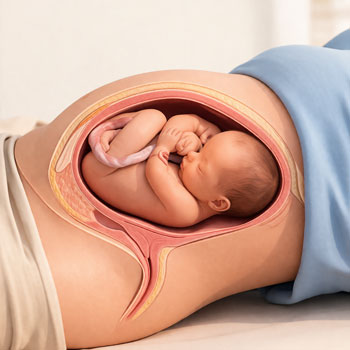
A Cesarean section, commonly known as a C-section, is a surgical procedure used to deliver a baby through incisions made in the mother’s abdomen and uterus. It is performed when a vaginal delivery may pose risks to the mother or baby. C-sections have become a safe and common method of childbirth in modern obstetrics, helping ensure healthy outcomes in complicated pregnancies.
Why is a C-Section Performed?
A C-section may be planned in advance or performed as an emergency procedure during labor. Doctors recommend this surgery when certain medical conditions or complications arise that make vaginal delivery unsafe.
Common Reasons for a Planned C-Section
- Previous C-section or uterine surgery
- Placenta previa (placenta covering the cervix)
- Breech position (baby positioned feet-first)
- Multiple pregnancies (twins, triplets, or more)
- Maternal health conditions like high blood pressure or diabetes
Reasons for an Emergency C-Section
- Prolonged or stalled labor
- Fetal distress (baby not getting enough oxygen)
- Umbilical cord complications
- Excessive bleeding during labor
- Risk of infection or other sudden complications
How is a C-Section Procedure Done?
The procedure is usually performed under spinal or epidural anesthesia, which allows the mother to remain awake without feeling pain. In some emergency cases, general anesthesia may be used.
Step-by-Step Process
- The abdomen is cleaned and prepared for surgery
- An incision is made in the lower abdomen, typically horizontal
- A second incision is made in the uterus
- The baby is carefully delivered through the incision
- The placenta is removed
- The incisions are stitched and closed
The entire procedure typically takes about 30 to 60 minutes, with the baby usually delivered within the first few minutes.
Recovery After a C-Section
Recovery from a C-section takes longer compared to vaginal delivery, as it is a major surgical procedure. Proper care and rest are essential for healing and overall well-being.
What to Expect During Recovery
- Hospital stay of 2 to 4 days
- Mild to moderate pain around the incision site
- Limited mobility for the first few days
- Gradual return to normal activities within 4 to 6 weeks
Tips for Faster Recovery
- Take adequate rest and avoid heavy lifting
- Keep the incision area clean and dry
- Follow prescribed medications and pain management
- Eat a balanced diet to support healing
- Attend follow-up appointments with your doctor
Benefits of a C-Section
While often performed due to medical necessity, a C-section can offer certain benefits in specific situations. It can help prevent complications and ensure the safety of both mother and baby.
- Reduces risk in high-risk pregnancies
- Prevents birth trauma in certain cases
- Allows planned delivery timing
- Useful in emergency situations to save lives
Risks and Complications
Like any surgery, a C-section carries some risks. However, with modern medical care, these risks are generally low and manageable.
Possible Risks for the Mother
- Infection at the incision site
- Blood loss or clot formation
- Longer recovery period
- Adhesions or scar tissue formation
Possible Risks for the Baby
- Breathing difficulties, especially if born early
- Minor surgical injury (rare cases)
Is a C-Section Safe?
C-sections are considered safe and are performed routinely across the world. Advances in surgical techniques, anesthesia, and post-operative care have significantly improved outcomes. However, doctors always recommend vaginal delivery when possible, as it involves fewer risks and faster recovery.
Can You Have a Normal Delivery After a C-Section?
Many women can have a vaginal birth after a C-section (VBAC), depending on their medical history and current pregnancy condition. Doctors evaluate factors such as the type of previous incision, overall health, and any complications before recommending VBAC.
- Requires careful monitoring during labor
- Not suitable for all women
- Offers shorter recovery time if successful
When to Consult a Doctor?
Pregnant women should maintain regular prenatal checkups to monitor their health and the baby’s development. Immediate medical attention is necessary if there are warning signs during pregnancy or after delivery.
- Severe abdominal pain
- Unusual bleeding or discharge
- Fever or signs of infection
- Reduced fetal movement
A C-section is an important medical procedure that plays a crucial role in ensuring safe childbirth when complications arise. Understanding when and why it is performed helps expectant mothers make informed decisions about their delivery options. With proper medical guidance, care, and recovery support, both mother and baby can experience a healthy and positive birth outcome.