
What is Infertility?
Infertility is a medical condition in which a couple is unable to conceive after one year of regular, unprotected sexual intercourse. In women above the age of 35, infertility is typically considered after six months of trying. It is a common concern in gynaecology and affects millions of couples worldwide, causing emotional, physical, and psychological stress. Infertility can result from issues in either partner or a combination of factors affecting both.
Types of Infertility
Primary Infertility
Primary infertility refers to couples who have never been able to conceive despite trying for a significant period of time. This type often requires detailed medical evaluation to identify underlying causes.
Secondary Infertility
Secondary infertility occurs when a couple has previously conceived but is unable to achieve pregnancy again. This can happen due to age-related factors, hormonal changes, or new health conditions.
Common Causes of Female Infertility
Female infertility can arise from various reproductive and hormonal issues. Identifying the root cause is essential for effective treatment.
- Ovulation Disorders: Conditions like polycystic ovary syndrome (PCOS) or hormonal imbalances can disrupt ovulation.
- Fallopian Tube Damage: Blocked or damaged tubes prevent the egg from meeting sperm.
- Endometriosis: Growth of uterine tissue outside the uterus can affect fertility.
- Uterine Abnormalities: Fibroids, polyps, or structural issues can interfere with implantation.
- Age Factor: Fertility declines significantly after the age of 35.
Common Causes of Male Infertility
Male factors contribute to infertility in a significant number of cases. Proper evaluation of sperm health is crucial.
- Low Sperm Count: Reduced sperm production affects chances of fertilization.
- Poor Sperm Motility: Sperm may not swim effectively to reach the egg.
- Abnormal Sperm Shape: Irregular morphology can hinder fertilization.
- Hormonal Imbalances: Testosterone and other hormone levels impact sperm production.
- Lifestyle Factors: Smoking, alcohol, stress, and poor diet can reduce fertility.
Symptoms of Infertility
Infertility often does not present obvious symptoms beyond difficulty conceiving. However, certain signs may indicate underlying issues:
- Irregular or absent menstrual cycles
- Severe menstrual pain
- Hormonal symptoms such as acne or excessive hair growth
- Pain during intercourse
- History of pelvic infections or surgeries
When to See a Gynaecologist?
Consulting a gynaecologist at the right time can improve chances of successful treatment. You should seek medical advice if:
- You have been trying to conceive for over a year
- You are above 35 and trying for more than six months
- You have irregular or painful periods
- You have a history of miscarriage
- You have known reproductive health issues
Diagnosis of Infertility
Diagnosing infertility involves a series of tests for both partners to identify possible causes. Early diagnosis helps in planning appropriate treatment.
- Ovulation Testing: Hormone tests to confirm ovulation
- Ultrasound Scan: To examine ovaries and uterus
- Hysterosalpingography (HSG): Checks for blocked fallopian tubes
- Hormonal Blood Tests: Evaluates reproductive hormone levels
- Semen Analysis: Assesses sperm count, motility, and morphology
Treatment Options for Infertility
Treatment depends on the underlying cause and may involve medical, surgical, or assisted reproductive techniques.
- Medications: Fertility drugs to stimulate ovulation
- Lifestyle Changes: Improving diet, reducing stress, and quitting harmful habits
- Surgical Procedures: To correct structural problems like fibroids or blocked tubes
- Intrauterine Insemination (IUI): Placing sperm directly into the uterus
- In Vitro Fertilization (IVF): Fertilization outside the body followed by embryo transfer
Preventing Infertility
While not all cases of infertility can be prevented, certain lifestyle choices can help maintain reproductive health.
- Maintain a healthy body weight
- Eat a balanced, nutritious diet
- Avoid smoking, alcohol, and drugs
- Manage stress effectively
- Seek timely treatment for reproductive health issues
Emotional Impact of Infertility
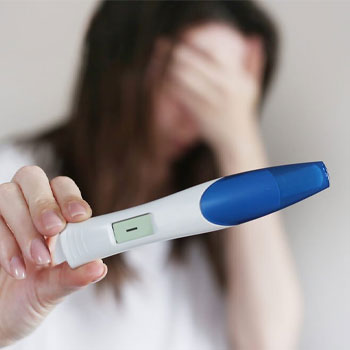
Infertility can take a toll on emotional well-being, relationships, and mental health. Feelings of anxiety, frustration, and sadness are common. Seeking support from healthcare professionals, counselors, or support groups can help couples cope better during their journey.
Infertility is a complex yet treatable condition with many available solutions in modern gynaecology. Early diagnosis, proper medical guidance, and a healthy lifestyle significantly improve the chances of conception. If you are facing difficulties in conceiving, consulting a qualified gynaecologist can help identify the cause and guide you toward the right treatment path.