
What is Osteoporosis?
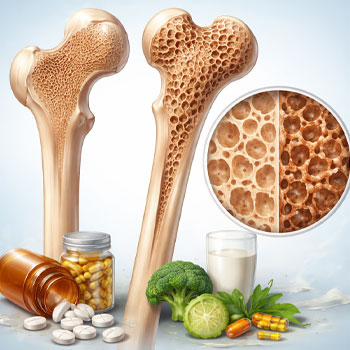
Osteoporosis is a common orthopedic condition that weakens bones, making them fragile and more likely to break. The term literally means “porous bone,” reflecting the loss of bone density and structural strength. Healthy bones are dense and strong, but in osteoporosis, the internal structure becomes thin and brittle, increasing the risk of fractures even with minor falls or everyday activities.
This condition often develops silently over time without noticeable symptoms until a fracture occurs. Because of this, osteoporosis is sometimes referred to as a “silent disease.” It primarily affects older adults, especially postmenopausal women, but men can also develop osteoporosis.
How Osteoporosis Affects the Body
Bones are living tissues that constantly break down and rebuild. In young individuals, bone formation happens faster than bone loss. However, as people age, this balance shifts, and bone loss begins to outpace bone formation. Over time, bones become weaker and more porous.
The most commonly affected areas include:
- Spine (vertebrae)
- Hips
- Wrists
Fractures in these areas can lead to severe pain, reduced mobility, and a decline in overall quality of life. In advanced cases, spinal fractures can cause a stooped posture or height loss.
Causes of Osteoporosis
Osteoporosis develops due to a combination of factors that affect bone health. Some of the key causes include:
- Aging: Natural bone loss increases with age.
- Hormonal changes: Reduced estrogen in women after menopause significantly impacts bone density.
- Calcium and Vitamin D deficiency: Essential nutrients for bone strength.
- Sedentary lifestyle: Lack of physical activity weakens bones.
- Medical conditions: Certain diseases and medications can affect bone metabolism.
Risk Factors to Watch
- Family history of osteoporosis
- Low body weight
- Smoking and alcohol consumption
- Poor nutrition
- Long-term use of steroids
Symptoms of Osteoporosis
In its early stages, osteoporosis may not show any obvious symptoms. Many people only discover the condition after experiencing a fracture. However, as the disease progresses, some warning signs may appear:
- Back pain caused by fractured or collapsed vertebrae
- Loss of height over time
- Stooped or hunched posture
- Frequent bone fractures
Recognizing these symptoms early can help in seeking timely medical attention and preventing complications.
Diagnosis and Bone Health Assessment
Early diagnosis of osteoporosis is crucial to prevent fractures. Doctors typically use a bone mineral density (BMD) test to measure bone strength. The most common method is a DEXA scan, which is a quick and painless imaging test.
Based on the results, individuals are categorized as having normal bone density, osteopenia (low bone mass), or osteoporosis. Regular screening is especially important for individuals at higher risk.
Treatment Options for Osteoporosis
While osteoporosis cannot be completely reversed, it can be effectively managed with proper treatment and lifestyle changes. The main goals are to strengthen bones, prevent fractures, and improve overall mobility.
Medical Treatments
- Calcium and Vitamin D supplements
- Bone-strengthening medications
- Hormone-related therapies (in specific cases)
Lifestyle Modifications
- Regular weight-bearing exercises like walking or jogging
- Strength training to improve muscle support
- Balanced diet rich in calcium and protein
- Avoiding smoking and limiting alcohol intake
Prevention Tips for Strong Bones
Preventing osteoporosis starts early in life by building strong bones and maintaining bone health as you age. Simple daily habits can make a significant difference.
- Include dairy products, leafy greens, and nuts in your diet
- Get adequate sunlight for natural Vitamin D
- Stay physically active with regular exercise
- Maintain a healthy body weight
- Schedule regular health checkups
Why Orthopedic Consultation is Important
Consulting an orthopedic specialist is essential for individuals experiencing joint pain, fractures, or signs of bone weakness. Early evaluation can help identify osteoporosis before serious complications arise.
An orthopedic doctor can guide you with personalized treatment plans, recommend appropriate tests, and provide advice on maintaining bone health. Timely intervention not only prevents fractures but also improves long-term mobility and quality of life.
Osteoporosis is a serious yet manageable condition that affects millions of people worldwide. With early detection, proper treatment, and healthy lifestyle choices, it is possible to maintain strong bones and reduce the risk of fractures. Understanding the condition and taking proactive steps can help you lead an active, pain-free life even as you age.